When a battery dies while you’re driving, it rarely starts as a total shutdown. You might notice the headlights dimming, the dashboard lights flickering, or the radio cutting out. Then the gauges start acting odd, the power steering may feel heavier on some vehicles, and the engine can stall once the voltage drops far enough. It’s stressful because you did not even get the courtesy of a no-start in the driveway.
Most of the time, the battery is not the original problem. The battery is simply the storage tank, and something prevented it from being charged or kept the electrical system stable while the engine was running.
Why A Battery Can Die While Driving
While the engine is running, the charging system should supply power for the vehicle’s electronics and keep the battery topped off. If charging stops, the car will run on battery power alone for a short time. How long it lasts depends on the battery’s condition and the electrical load, such as headlights, the blower motor, heated seats, and defrosters.
Once the voltage falls below what the engine computer and fuel system need, the engine can shut off. At that point, even if you still have some battery left, the car may not restart because the starter needs a strong burst of power.
Alternator Problems And Voltage Regulation
The alternator is the most common reason a battery goes flat while driving. It can fail outright, or it can weaken and produce lower output that can’t keep up with normal driving loads. A bad voltage regulator can also let voltage swing too high or too low, which creates flickering lights and strange electrical behavior.
Some alternators fail intermittently, which is why the problem can feel random. We’ve seen vehicles that charge fine for ten minutes, then drop out when the alternator heats up. If a battery light comes on, do not ignore it, because it often shows up when the system knows charging has fallen off.
Belt And Pulley Issues That Stop Charging
Even a healthy alternator cannot charge if it is not being driven properly. A slipping or broken serpentine belt can stop the alternator from spinning at the speed it needs. Sometimes the belt is still there but slipping under load, especially if the belt is glazed or the tensioner is weak.
Listen for squealing on startup or when you turn on the A/C, because that can hint at belt slip. This is where regular maintenance helps, since checking belt condition and pulley smoothness can prevent a surprise failure that kills charging and cooling at the same time.
Bad Connections: Terminals, Grounds, And Main Cables
Loose or corroded battery terminals can cause the same symptoms as a failing alternator. If the connection is weak, the car may charge sometimes and drop voltage other times as the cable shifts over bumps. Corrosion can hide under the terminal ends, so the top may look clean while the contact surface is not.
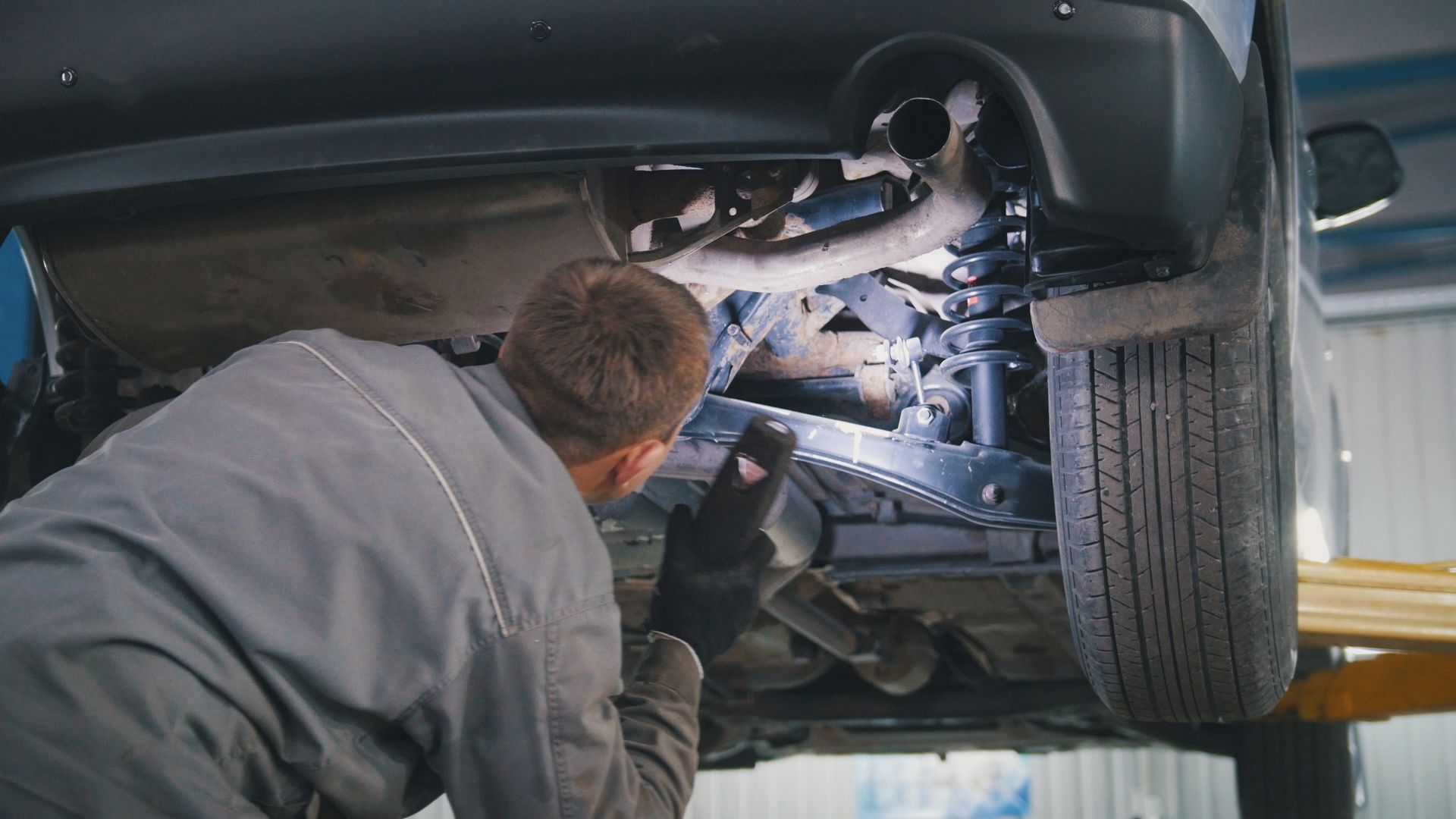
Ground connections matter just as much. A weak ground strap between the engine and body can create intermittent stalls, slow cranking, and weird electrical glitches. In the bay, we often find these issues by checking for voltage drop while the system is under load, not just by looking at the cables.
Battery Failures That Show Up Under Load
A battery can be bad even if it started the car earlier in the day. Internal plate damage, sulfation, or an internal short can reduce capacity so the battery drains quickly once it is carrying the vehicle alone. In that scenario, the charging system might be struggling, but the battery also cannot provide much backup power.
Heat is rough on batteries, and so are repeated short trips that never fully recharge them. If the battery is older, has been jumped repeatedly, or shows swelling or leakage, it may be part of the reason the vehicle could not stay running once charging dropped off.
Electrical Draw And System Overload Issues
Sometimes the problem is not a single failed part, but an electrical load that is too heavy for the system. A sticking cooling fan, an A/C clutch issue, or a poorly wired aftermarket accessory can draw more current than expected. If the alternator is already aging, that extra demand can push it over the edge.
This can also show up as a battery that seems fine until you turn on the headlights, blower, and rear defroster together. An inspection that checks charging output under real load is the best way to see if the system is keeping up or barely hanging on.
What To Do When It Happens On The Road
If you suspect the car is losing electrical power, reduce the load right away. Turn off non-essentials like seat heaters and high fan speed, and keep your focus on getting to a safe spot. If the steering gets heavy or the dashboard goes dark, do not try to push too hard, because stalling in traffic is the bigger risk.
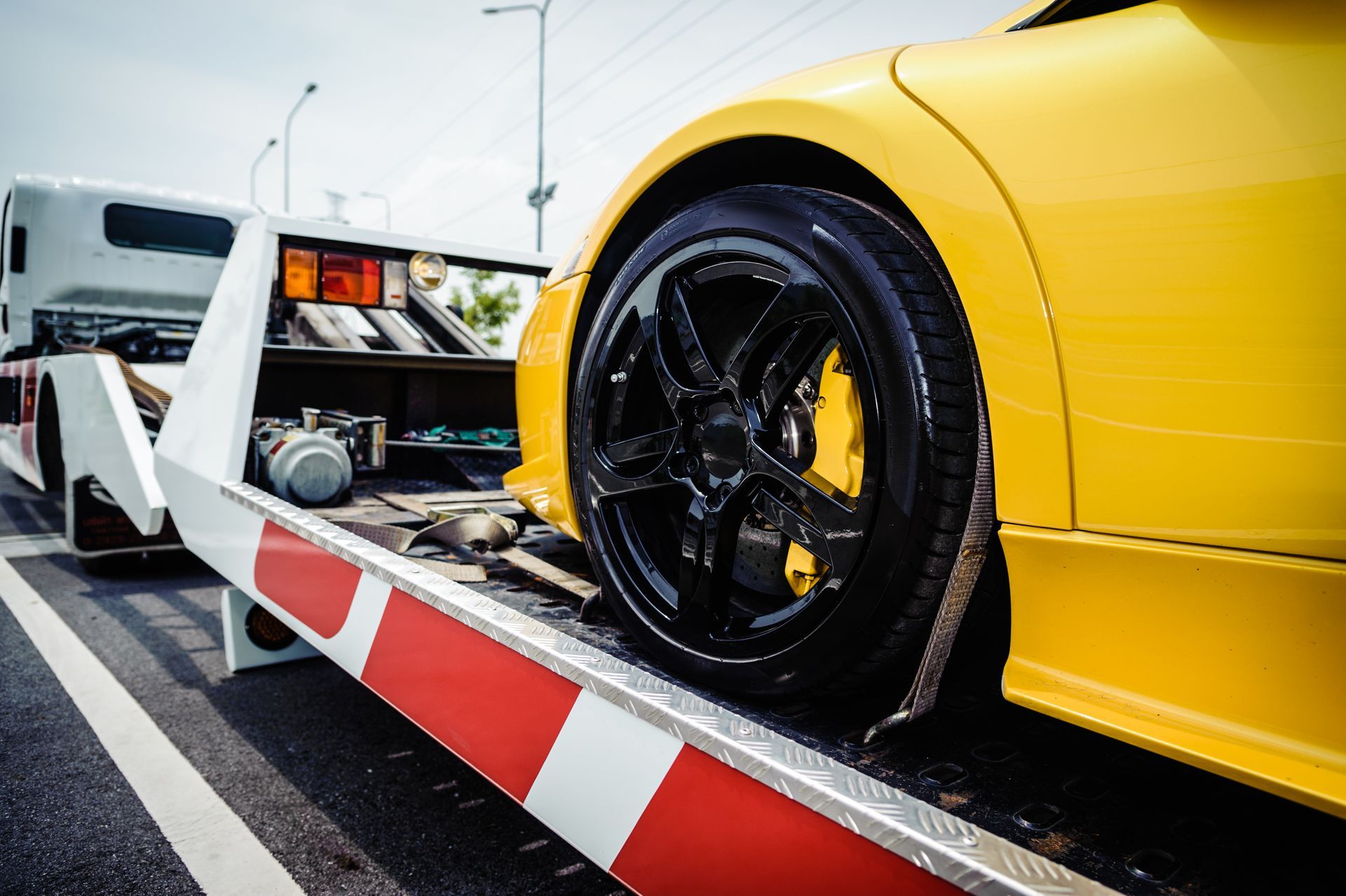
Once you’re safely stopped, avoid repeated restart attempts. The starter can drain what’s left of the battery quickly, and you may need that remaining power for hazard lights. If you see smoke, smell burning insulation, or notice extremely hot cables, stop and have it towed rather than trying to jump it and drive.
Get Battery And Charging System Service In Sarasota, FL With Jim’s Auto Repair & Towing
If your battery died while driving or the battery light is coming on, the next step is to book service so the charging system and connections are tested and repaired correctly. Schedule service with Jim’s Auto Repair & Towing in Sarasota, FL, to get the alternator, belt drive, and electrical connections handled before you end up stranded again.
The goal is simple: dependable starts, stable voltage, and a car you can trust.