You tap the brake pedal, and instead of being quiet, you get that sharp squeal that makes you wince. It might be worse in parking lots or at slow speeds, just when everyone around can hear it. The car still stops, so it is tempting to ignore the noise and hope it fades. Brake squeal is common, but it is not something you have to live with, and sometimes it is your first warning that the braking system needs attention.
Why Brakes Squeal in the First Place
Most brake squeal comes from vibration. When the pads press against the rotors, they can vibrate at a high frequency, and that vibration turns into the high-pitched sound you hear. The pad material, rotor surface, and hardware that holds everything in place all play a part in how noisy the brakes will be.
If pads can move slightly, or the surface of the rotor is glazed or uneven, that vibration has room to grow. The sound does not always mean the brakes are about to fail, but it does mean something is not working as smoothly as it should. Over time, that same vibration can lead to uneven wear and less consistent braking.
Normal Noise vs Noise You Should Worry About
Not every squeak is a sign of serious trouble. Light noise on the first few stops of a cold, damp morning can come from surface rust or moisture on the rotors. That usually goes away after a couple of firm stops once the brakes warm up. Some pad materials are also naturally a bit noisier, especially performance pads.
What you do not want to ignore is a squeal that is there on nearly every stop, especially once the brakes are warm. A piercing noise that starts suddenly and never really leaves often points to wear indicators touching the rotor, very thin pads, or hardware that has worn out or gone missing. If the squeal turns into a grinding sound, that is the point where metal is usually contacting metal, and you are into the rotors.
How Sarasota Weather Makes Brake Squeals More Likely
Around a humid, coastal area, brakes see a lot of moisture. Overnight, a light layer of rust can form on the rotor surface, and that can make a light scrape or squeak on the first stop of the day. Salt in the air and regular rain can also affect the hardware that keeps pads snug in the caliper bracket.
If that hardware corrodes or gets sticky, the pads may not slide back as cleanly after you release the pedal. That small amount of drag can glaze the pad surface and make it more prone to noise. When we look at brakes here, we pay close attention to how freely the pads move and how clean the contact points are, not just how thick the pads are.
Common Mechanical Causes of Brake Squeal
Several parts can team up to make noise when you press the pedal. Some of the most frequent causes we see include:
- Worn pads where the wear indicator tab is touching the rotor
- Glazed pads or rotors from repeated light braking and heat
- Missing or rusted pad hardware, clips, or shims
- Caliper slide pins that are dry or sticking
- Cheap or poorly matched pad and rotor combinations
You can put new pads on a rusty, grooved rotor and still have noise. That is why a proper brake job looks at the whole system, including resurfacing or replacing rotors and installing quality hardware, instead of just throwing pads on and hoping for quiet.
Owner Habits That Can Make Brake Noise Worse
Driving style has more to do with squeal than most people realize. Constant light braking, such as riding the pedal down long hills or creeping in traffic, can heat the pads without letting them bite firmly. That encourages glazing on the pad and rotor surfaces, which tends to squeal later.
Ignoring early noises and waiting until the pads are very thin also makes things louder. Once the friction layer is almost gone, the metal parts of the pad begin to engage. Using the cheapest pads available, mixed with older rotors, often means the brakes might work, but you will complain loudly about it every day.
Simple Checks You Can Make at Home
You do not have to pull the wheels off to get a few clues. With the car parked and the wheels pointed straight, you can often look through the wheel spokes and see how much pad material is left. Thick, solid pad blocks are good, very thin strips are a sign that service is coming soon.
Pay attention to when the squeal happens. Only in the morning, or all day. Only when braking lightly, or even with firm stops. Any change in brake pedal feel, pulling to one side, or warning lights, along with the noise, is a sign to move the inspection up on your to-do list. Sharing those details with us helps narrow down what to look for.
Why A Professional Brake Inspection Makes Sense
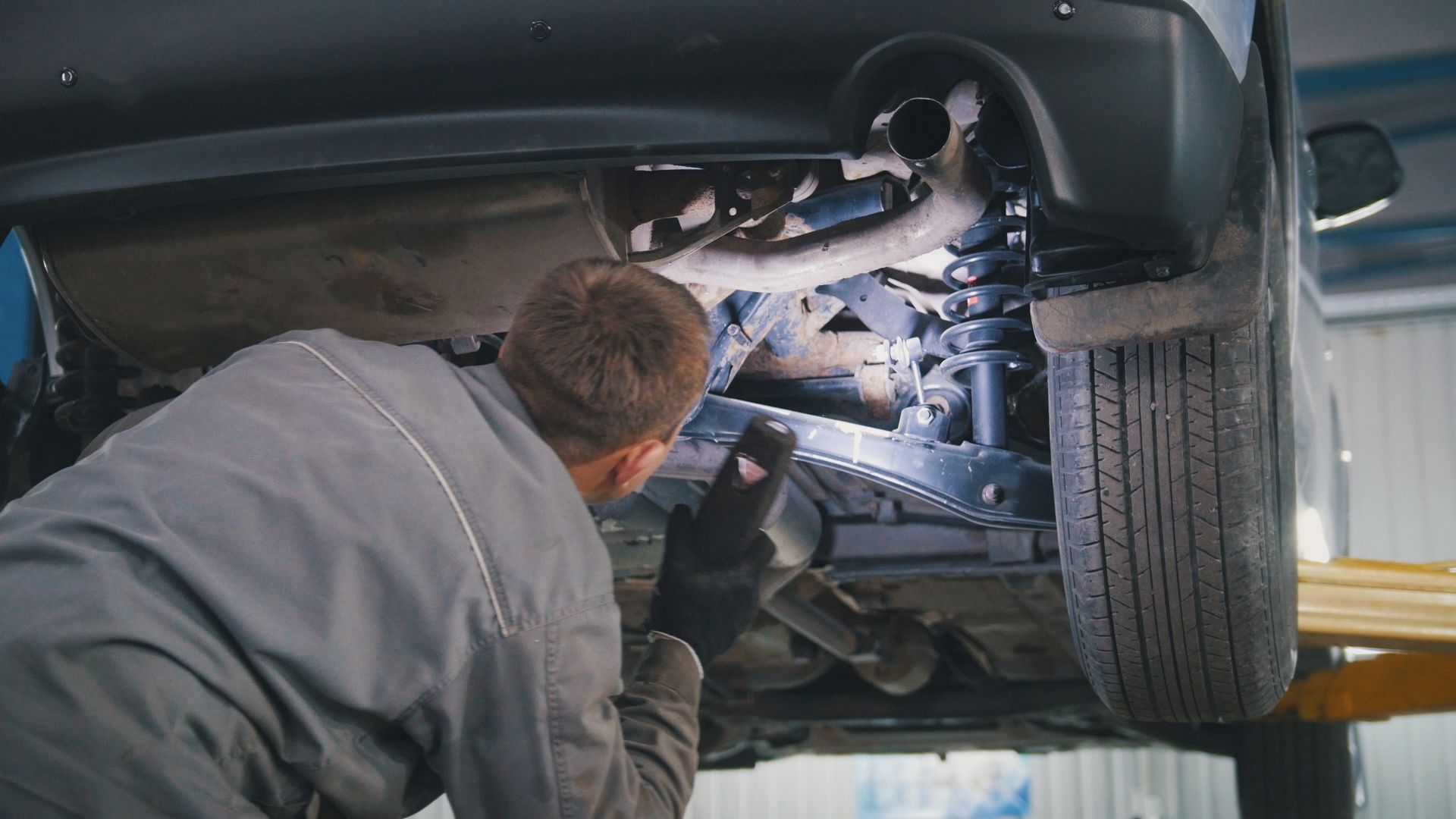
From the driver’s seat, every squeal can sound the same. Under the car, there are many different patterns, and each one points to a specific cause. During a brake inspection, we look at pad thickness, rotor condition, hardware, caliper slides, and fluid level. We can spot uneven wear, hot spots, and missing parts that a quick glance would miss.
The goal is not just quiet brakes. It is strong, predictable stopping that feels solid every time you press the pedal. Fixing the root cause of brake squeal usually means restoring that solid feel and protecting the rotors and pads so you get full life out of them, instead of replacing parts twice as often.
Get Brake Squeal Diagnostic and Repair in Sarasota, FL with Jim's Auto Repair & Towing
If your brakes squeal every time you slow down, have started to grind, or just do not feel right, now is the time to have them checked. We can inspect pads, rotors, hardware, and calipers, then explain exactly what is causing the noise and what needs to stop it.
Schedule brake squeal diagnostic and repair in Sarasota, FL with
Jim's Auto Repair & Towing, and we will help you get back to quiet, confident stops.