Some vehicle problems give you a little warning before they get serious. Others show up fast and leave you with no safe way to keep driving. Either way, there are certain issues that commonly lead to a tow because continuing any further can risk more damage, poor control, or a complete breakdown.
If your car starts acting differently, it helps to know which problems are minor and which ones mean it is time to stop and have the vehicle moved. Here are eight of the most common vehicle issues that require towing.
Why Some Problems Should Not Be Driven Home
A lot of vehicle issues can wait until the end of the day. Towing problems are different because they affect starting, cooling, steering, braking, or the ability to keep the vehicle moving safely. Once one of those systems drops too far, forcing the car to keep going often turns one repair into two.
This is where a lot of extra damage happens. The vehicle may still move, but that does not mean it should.
Alternator failure
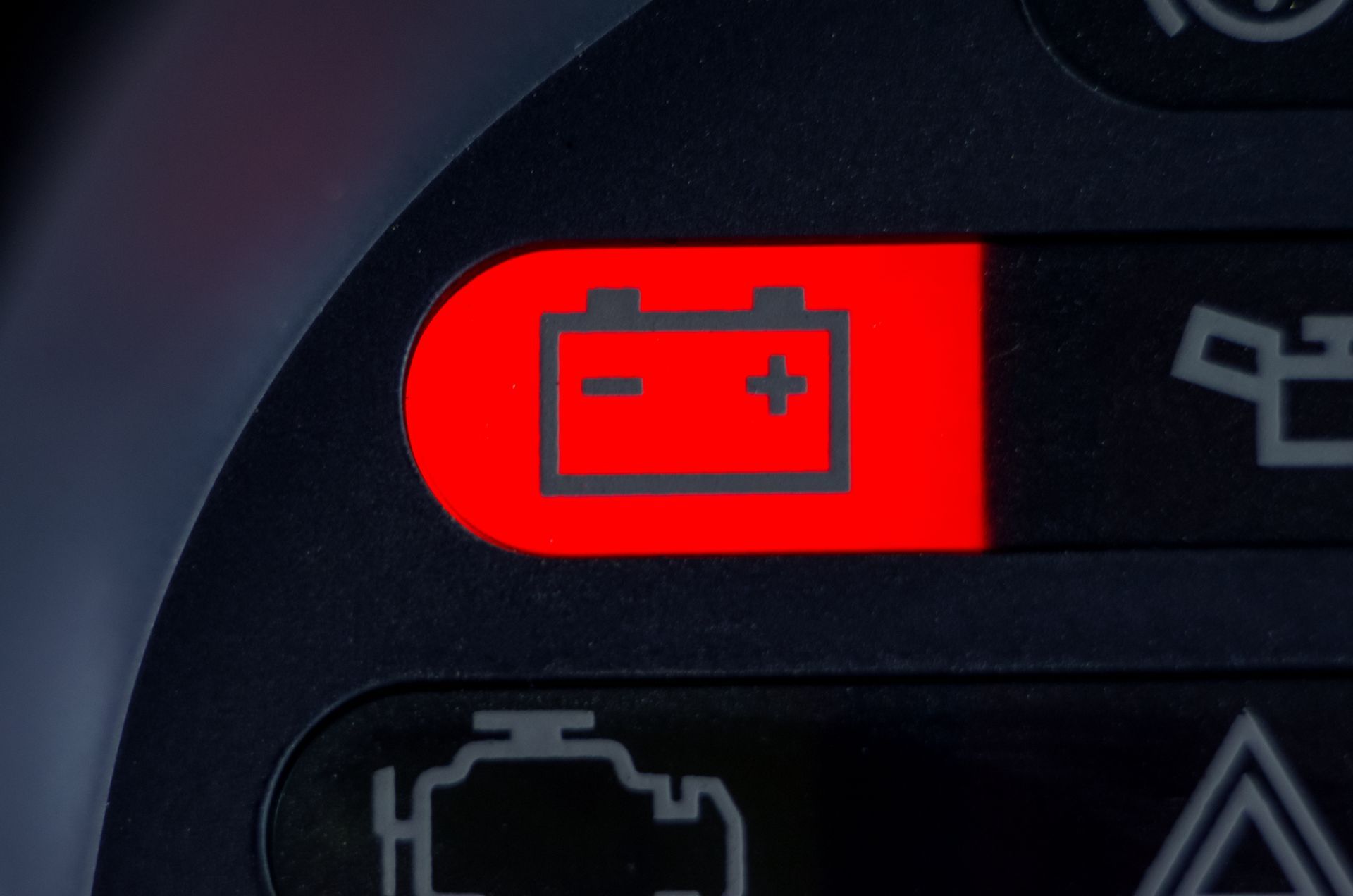
An alternator can fail slowly at first. The battery light comes on, the headlights dim, the dash flickers, or the blower motor starts acting weak. Then the charging system falls behind completely, and the car loses electrical power while it is running. Once that happens, the vehicle may stall and leave you with no safe way to keep going.
Overheating
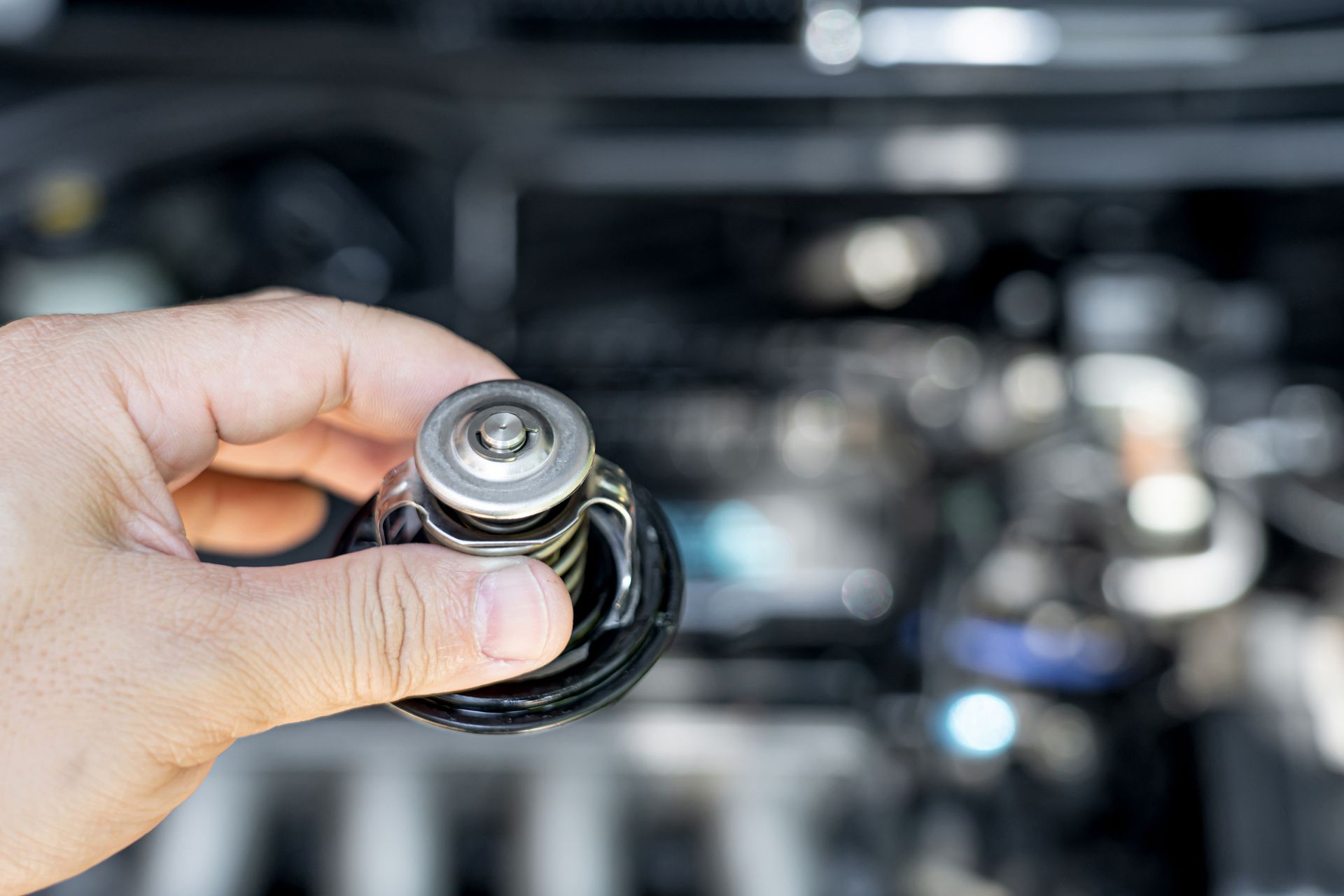
Overheating is one of the clearest reasons to stop driving and call for a tow. A car can go from running a little warm to steaming under the hood much faster than people expect, especially in traffic or summer heat. Keep driving it, and a cooling system repair can turn into engine damage in a hurry.
Engine trouble
Some engine problems leave very little room for debate. Heavy knocking, severe misfiring, loss of oil pressure, heavy smoke, or a no-start condition caused by internal failure are all strong reasons to stop. If the engine is already struggling that badly, pushing it farther usually adds damage that was not there at the start.
Transmission failure
Transmission problems often show up as slipping, delayed engagement, refusal to move, or sudden loss of drive. Once the car stops pulling correctly, trying to force it home can make the failure worse. A transmission that will not stay in gear or will not move the vehicle reliably is usually a towing situation.
Starter failure
A dead battery is one thing. A failed starter is different. If the battery is good and the starter will not turn the engine over, the vehicle is not going anywhere without repair. This is one of those no-start problems that often feels like it happened out of nowhere, even though the car may have been cranking slower or clicking for a while first.
Fuel pump or fuel delivery failure
A fuel system failure can leave the vehicle cranking without starting, or it can cause the engine to stall and refuse to restart. If the fuel pump stops doing its job, there is no quick roadside fix for most drivers. That is especially true if the problem shows up away from home or after the vehicle has been acting weak under load.
Collision damage
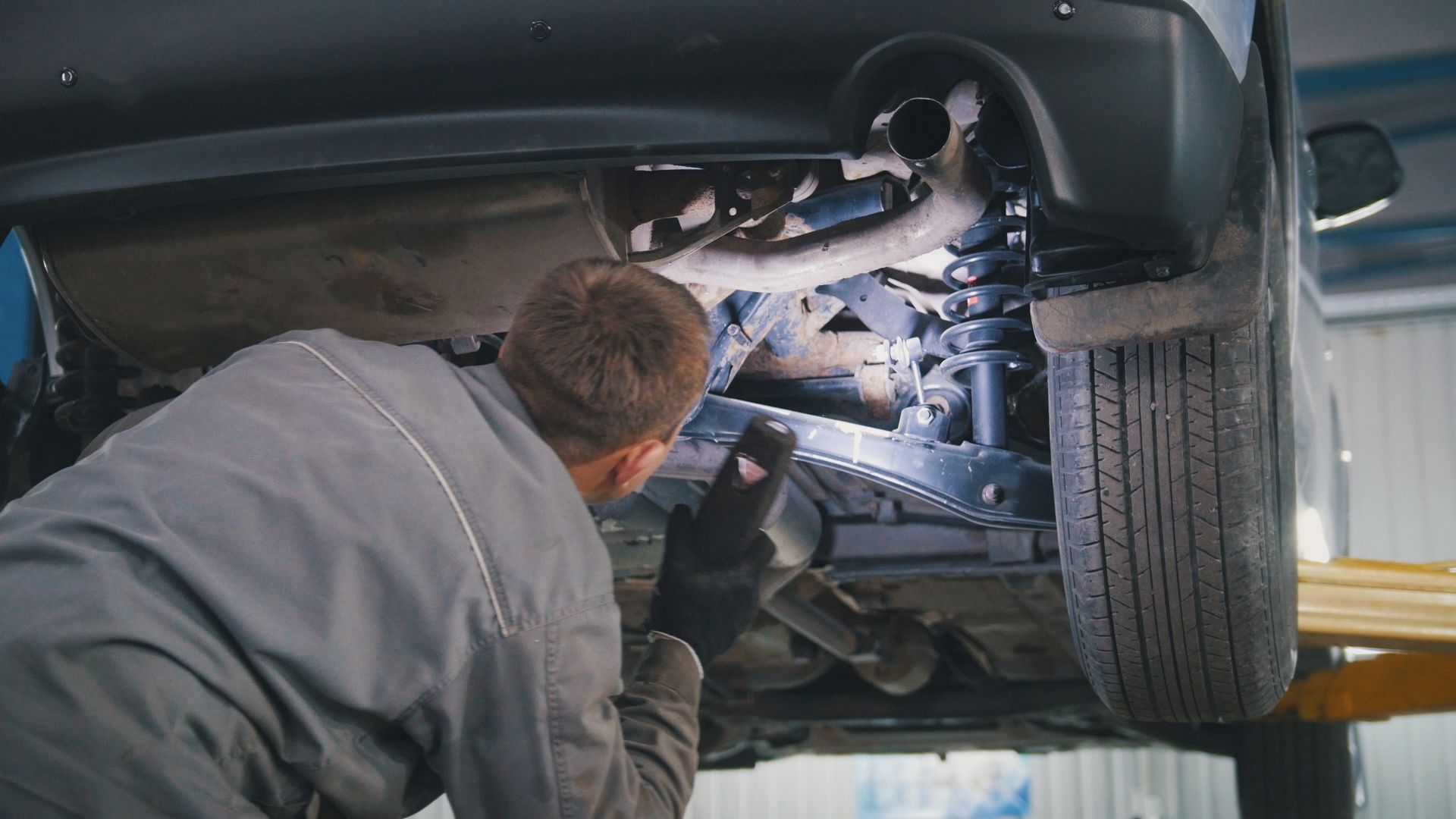
A vehicle may still run after an accident and still not be safe to drive. Suspension damage, steering damage, cooling system damage, bent wheels, and body damage interfering with tire movement can all make the vehicle unsafe, even if the engine still starts. In those cases, towing is the right call even when the car technically moves.
Steering or brake failure
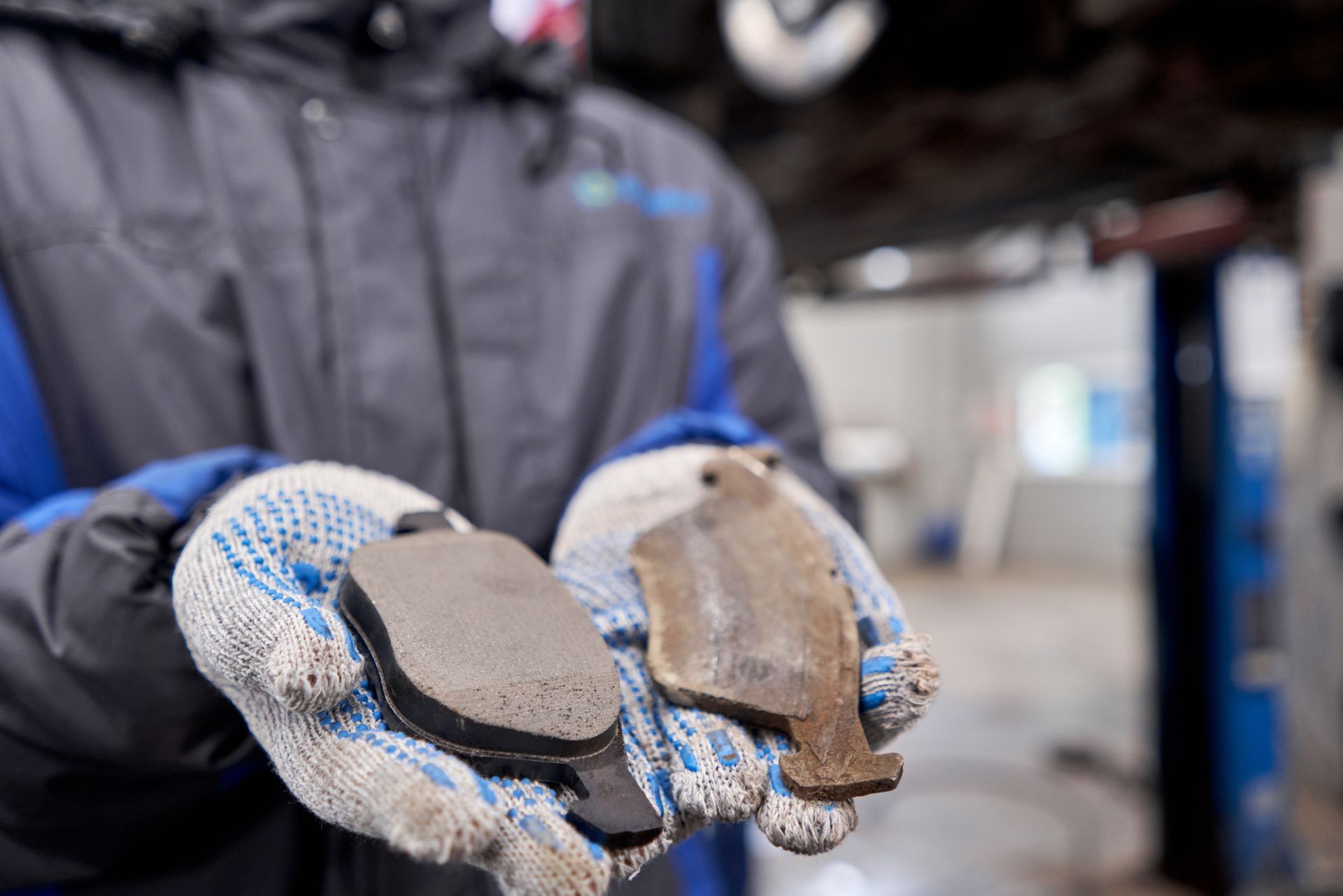
This is one of the highest-risk categories. If the steering suddenly becomes loose, extremely heavy, or unpredictable, the vehicle should not be driven further. The same goes for brakes that go soft, stop responding normally, or no longer stop the vehicle with confidence. Once control is in question, the safest plan is not to guess.
When It Is Smarter To Stop Right Away
Drivers usually know when the car feels wrong, but they do not always know when wrong has crossed into unsafe. That line gets very close when the engine is overheating, the charging system is failing, the car will not stay in gear, or steering and braking no longer feel dependable.
A flashing check engine light belongs in that conversation too, especially if the vehicle is shaking badly or losing power. So do heavy smoke, a strong burning smell, or a leak bad enough that the car is clearly being affected by it.
How Towing On Time Saves Money
A tow bill is frustrating, but it is often far less expensive than what happens when a driver keeps pushing a vehicle that should have stopped. Driving an overheating car can ruin an engine. Driving with a failing alternator can leave you stalled in traffic. Driving with transmission or steering trouble can take a repair that was already serious and make it worse.
That is why regular maintenance helps so much here. Many towing calls begin with a warning phase. Catching a weak charging system, cooling problem, or driveline issue early is much easier than waiting until the tow truck is the only option left.
Get Towing And Repair In Sarasota, FL, With Jim's Auto Repair & Towing
If your vehicle has reached the point where it is no longer safe to drive, Jim's Auto Repair & Towing in Sarasota, FL, can help get it off the road and into the shop before one problem turns into several.
Bring it in, or have it towed in, before the damage grows past the original repair.